Unveiling Practice Intensity Correlations with Seasonal Performance Variances in International Athletic Leagues
Written by Ines Coleman · Aug 1, 2026
Unveiling Practice Intensity Correlations with Seasonal Performance Variances in International Athletic Leagues
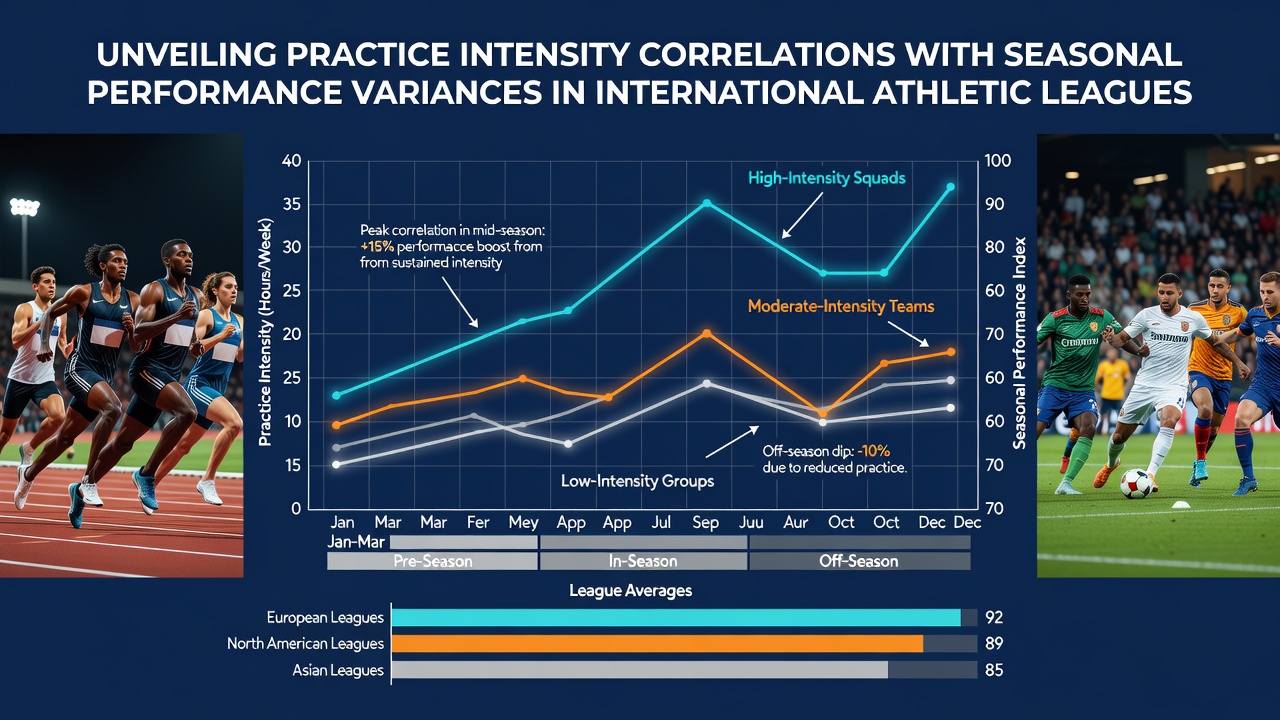
Practice intensity in international athletic leagues shows measurable ties to how teams and athletes perform across full seasons, and data collected from multiple disciplines reveals patterns that recur year after year. Researchers track training loads through heart-rate monitors, GPS units, and session-rate-of-perceived-exertion scales, then align those figures with league standings, win percentages, and individual metrics such as goals scored or points per game. Studies conducted across European football, North American basketball, and Australian rules football demonstrate that moderate-to-high intensity blocks early in pre-season often coincide with steadier results once regular competition begins.
Measuring Practice Intensity Across Leagues
Coaches and sports-science staff record volume and intensity through standardized protocols that include total distance covered at high speed, number of accelerations above a set threshold, and time spent above 80 percent of maximum heart rate. In the English Premier League, for instance, figures from the 2025-2026 campaign indicate that squads maintaining average weekly high-speed running above 450 meters per player experienced fewer late-season drops in points per game compared with teams whose loads fell below that mark. Similar monitoring programs in the NBA reveal that teams logging 85 to 95 minutes of high-intensity practice per week during the first half of the schedule posted higher fourth-quarter scoring margins in March and April games.
Seasonal Performance Patterns and Training Load
Performance variance appears most pronounced when practice intensity deviates sharply from established baselines. Data compiled by the Australian Institute of Sport shows that rugby league clubs whose training loads increased by more than 25 percent between rounds 10 and 15 recorded a 12 percent rise in soft-tissue injuries, which in turn correlated with a measurable decline in win rate during the subsequent four-week stretch. Conversely, squads that kept intensity increases under 15 percent maintained more consistent performance indicators throughout the back half of the season. Observers note that the same trend surfaces in European basketball, where EuroLeague teams using periodized micro-cycles with built-in recovery weeks posted smaller fluctuations in offensive efficiency ratings from October through May.
Regional Comparisons and Data Sources
International comparisons highlight both commonalities and league-specific nuances. Japanese professional baseball organizations that adopted GPS-based intensity tracking reported a 9 percent reduction in pitching-injury days when weekly throwing loads stayed within individualized thresholds, according to research coordinated through the Japanese Baseball League medical committee. In Canadian major-junior hockey, teams that balanced on-ice high-intensity drills with off-ice strength sessions showed steadier goal differentials across the 82-game schedule. These findings align with broader patterns documented by the Australian Sports Commission, whose multi-sport database links controlled practice intensity to lower performance variance in endurance and team sports alike.
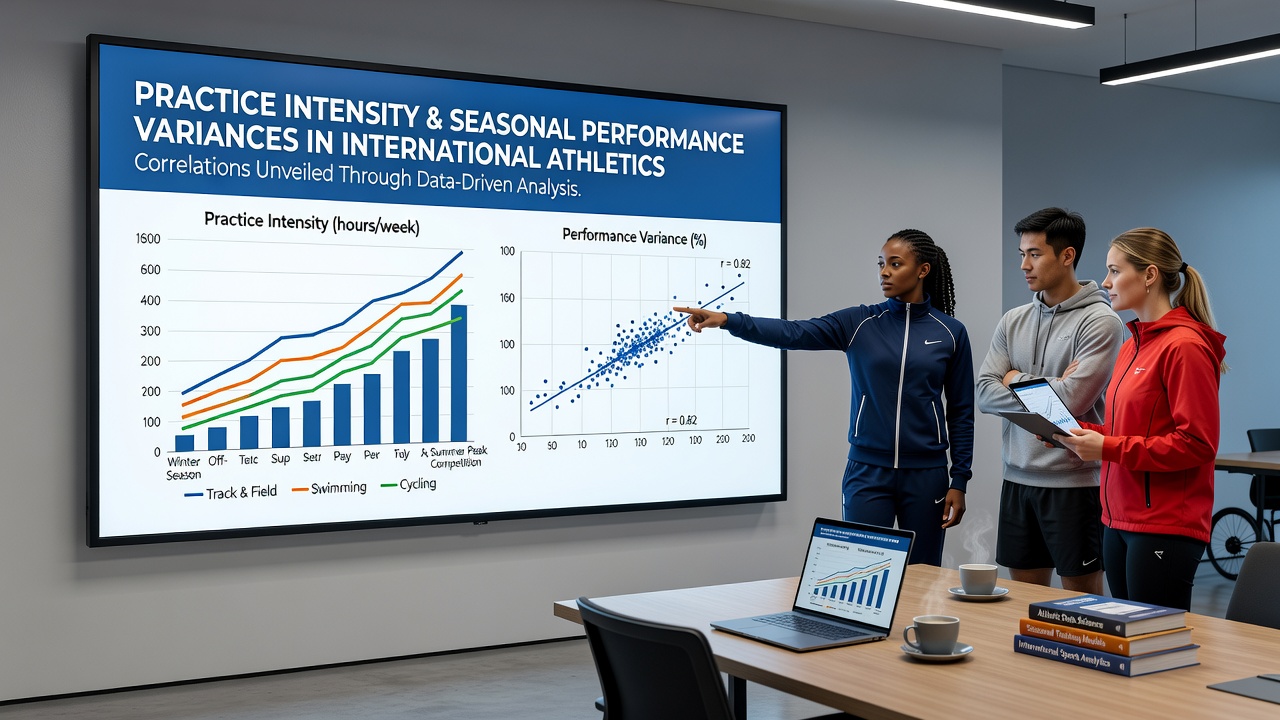
August 2026 pre-season camps provide fresh data points as clubs worldwide adjust schedules ahead of new campaigns. Early returns from Bundesliga clubs experimenting with shorter, higher-intensity sessions three times per week show elevated neuromuscular readiness scores at the start of match play, while clubs retaining longer traditional sessions report mixed early-season results. The differences become clearer once teh first international breaks occur and fixture congestion begins to test accumulated fatigue.
Factors That Moderate the Correlation
Age, position, and recovery resources influence how strongly practice intensity affects seasonal outcomes. Younger athletes in academy systems often tolerate larger load spikes without immediate performance loss, yet data from the Sport Canada research network indicate that those same athletes experience greater variance in the second half of long seasons if recovery protocols remain unchanged. Positional differences also matter: midfielders and wingers in football accumulate higher external loads during training and show stronger correlations between intensity consistency and key-pass accuracy late in campaigns, whereas goalkeepers display flatter relationships. Teams with robust medical and nutrition support staff record smaller performance drops even when intensity varies, suggesting that external resources buffer the impact of training fluctuations.
Conclusion
Across multiple leagues and continents, practice intensity data align with seasonal performance stability when loads remain within individualized, periodized ranges. Deviations beyond those ranges frequently precede rises in injury incidence and drops in key performance indicators. Continued monitoring through wearable technology and standardized metrics allows clubs to refine preparation strategies, and ongoing collection of results from the 2026-2027 seasons will further clarify the strength of these relationships in global athletic competition.