The Interplay Between International Breaks and Domestic League Performance Indicators in European Soccer
Written by Sam Walter · Aug 12, 2026
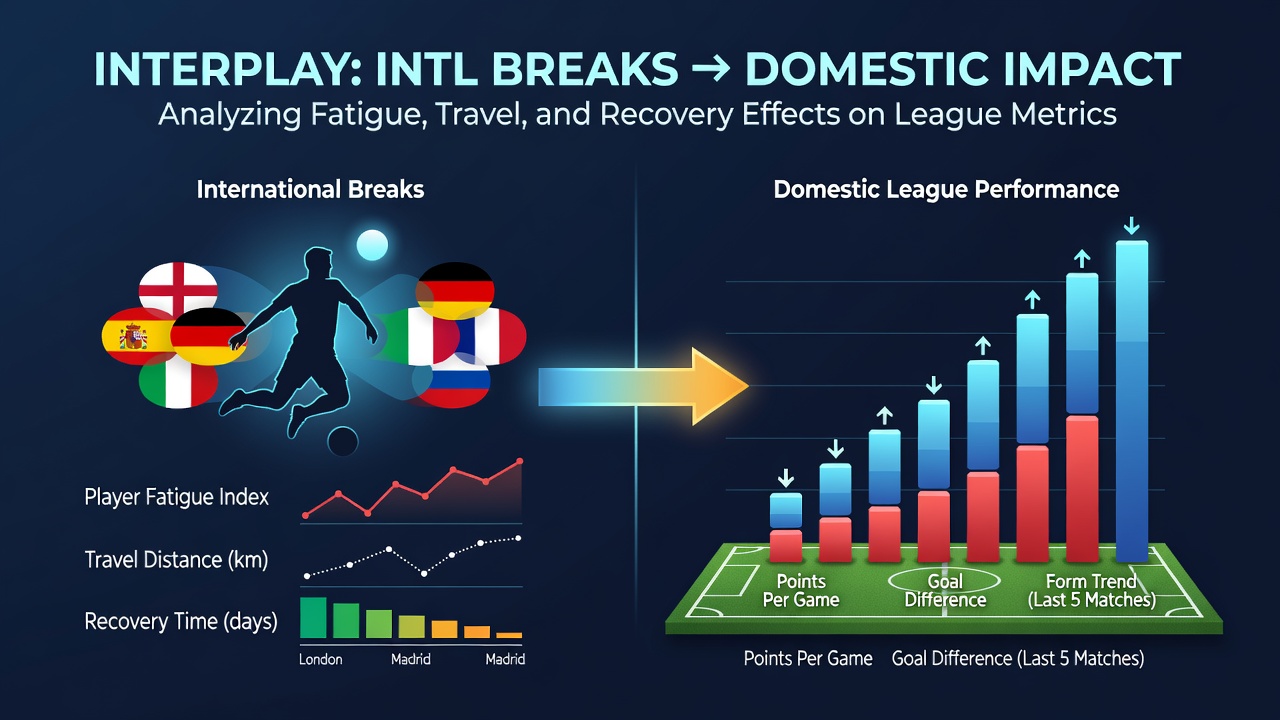
The Interplay Between International Breaks and Domestic League Performance Indicators in European Soccer
International breaks disrupt the rhythm of domestic leagues across Europe because national team commitments pull key players away from their clubs for extended periods, and performance data from multiple seasons shows measurable shifts in results once those players return. Researchers tracking matches before and after FIFA windows have documented patterns in win rates, goal tallies, and injury occurrences that vary by league and by the length of each break.Player Availability and Match Outcomes
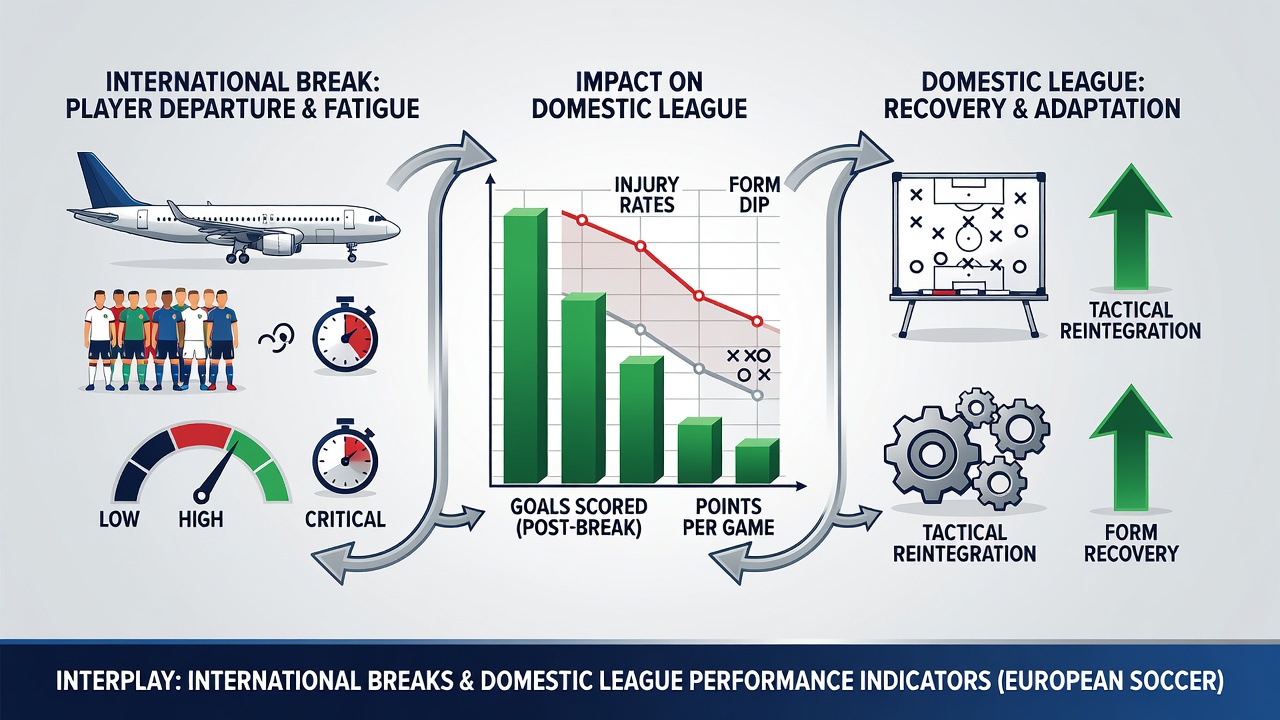
Clubs in the Premier League, La Liga, Serie A, and Bundesliga face different challenges when stars depart for international duty, since fixture lists continue without those athletes, and analysts have noted that teams missing multiple starters often record lower points per game in the immediate rounds following a break. Data compiled over recent campaigns indicates that squads with high numbers of call-ups experience dips in possession control and passing accuracy upon resumption, while sides with fewer international players maintain steadier output in those same indicators.
Fatigue Metrics and Recovery Patterns
Travel demands and match intensity during international windows contribute to elevated fatigue levels, and studies examining heart rate variability alongside GPS tracking data reveal that players logging high minutes for their countries return to club duty with reduced sprint capacity in the first two weeks back. European leagues have adjusted schedules in response, yet figures from the 2024-25 season onward show that recovery timelines differ by position, with midfielders and fullbacks displaying longer adjustment periods compared to goalkeepers.
League-Specific Trends Around Breaks
English clubs have posted slightly higher draw percentages in the two matchweeks after September and November windows, whereas German Bundesliga sides have maintained goal-scoring rates closer to their seasonal averages during similar stretches. Italian teams, by contrast, have recorded increased clean-sheet percentages following March breaks, a pattern observers attribute to defensive organization that holds up better after rest periods. Spanish La Liga data highlights reduced high-intensity runs in the opening 15 minutes post-break, suggesting teams require additional time to regain pressing intensity.
Statistical Indicators and External Data Sources
Performance indicators such as expected goals, progressive passes, and duel win percentages shift noticeably around international dates, and aggregated figures from Opta analyses confirm that away teams suffer larger declines in these metrics than home sides. The August 2026 international window, scheduled just before the start of several domestic campaigns, will provide fresh data points for researchers comparing pre-season integration against mid-season returns.
According to reports from the UEFA technical department, clubs that rotate squads effectively during congested periods around breaks tend to sustain higher league positions over the full campaign. Another source, a longitudinal study published by the German Sport University Cologne, links reduced training loads immediately after international duty to lower soft-tissue injury rates in Bundesliga players.
Coaching Adjustments and Tactical Shifts
Managers have adapted by altering training regimens and set-piece routines in the days leading up to resumed league fixtures, and video analysis from multiple clubs shows increased emphasis on set-piece defending because international breaks often interrupt tactical cohesion. Teams in the lower half of tables have benefited from these pauses when key players return refreshed, whereas title contenders have sometimes seen momentum stall if multiple starters miss club preparation time.
Conclusion
European soccer continues to balance national team obligations with domestic demands, and performance data collected across leagues provides ongoing insight into how breaks influence results, player metrics, and overall standings. As the 2026-27 season approaches, updated tracking methods will further clarify these relationships for coaches, analysts, and governing bodies alike.