Seasonal Crossroads: How Draft-Day Surprises Ripple Through League Tables and Fantasy Outcomes in Global Sports
Written by Viktor Keller · May 16, 2026
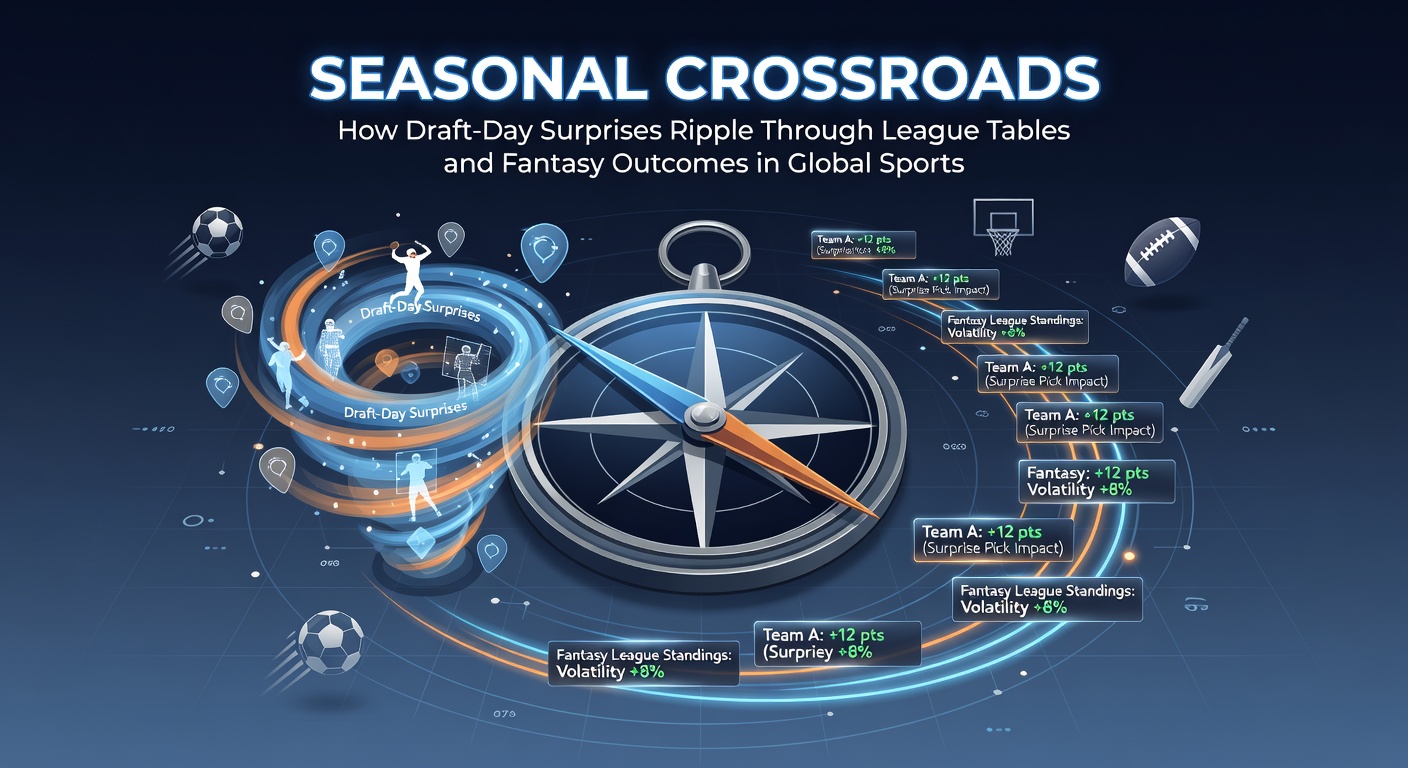
Seasonal Crossroads: How Draft-Day Surprises Ripple Through League Tables and Fantasy Outcomes in Global Sports
League tables shift when draft-day surprises occur because teams acquire talent that alters roster construction and competitive balance in ways that extend across entire seasons. Observers note that these moments create immediate adjustments in projected standings while reshaping fantasy sports formats that rely on player availability and performance metrics. Data from multiple professional leagues shows that unexpected selections often produce downstream effects on win totals and individual statistical outputs tracked by fantasy platforms.
Patterns Across Major Leagues
Teams in the NFL have documented cases where late-round picks outperform early projections and contribute to division title races. League records indicate that such players frequently accumulate rushing or receiving yards that exceed pre-draft forecasts by substantial margins. In the NBA, surprise draft-night trades have redistributed talent in ways that influence conference standings measured at the end of the regular season. Analysts tracking historical data from the league office confirm that these shifts appear in both team efficiency ratings and individual advanced metrics used by fantasy managers.
Effects on Global Soccer Competitions
Transfer windows aligned with draft-style auctions in European soccer produce comparable ripples when clubs secure undervalued players who then post goal and assist totals that reshape domestic league tables. Records maintained by governing bodies across multiple countries reveal that unexpected acquisitions have altered qualification paths for continental tournaments. Fantasy soccer formats that aggregate points from these competitions register corresponding changes in user rankings during the months that follow such moves. In May 2026, several European leagues will conclude their campaigns while fantasy managers finalize lineups based on performances that trace back to earlier transfer decisions.
Fantasy Platform Adjustments
Fantasy operators update ranking algorithms after draft surprises because player values fluctuate in response to new team contexts and role assignments. Platforms publish revised projections that reflect these changes, and user participation data shows increased activity around affected positions. Studies conducted by sports analytics groups demonstrate that early identification of surprise contributors correlates with higher fantasy point totals across weekly and seasonal formats. Those who monitor waiver-wire trends after drafts often locate players whose real-world contributions exceed initial expectations by wide margins.
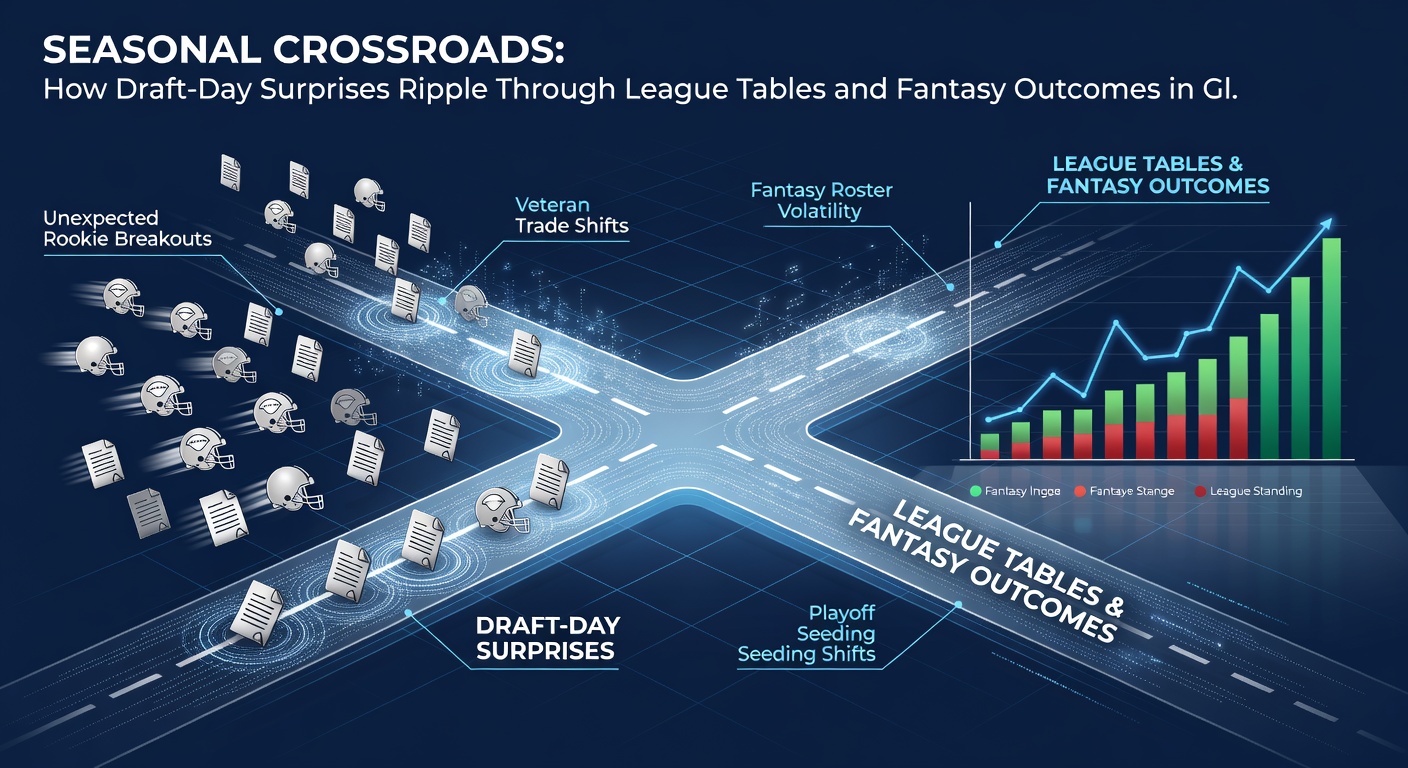
Statistical Evidence and Ripple Measurement
Performance databases maintained by organizations such as the National Collegiate Athletic Association supply comparative data on athletes who transition from college drafts into professional environments. When unexpected selections occur, the gap between projected and actual statistical production becomes measurable through season-long tracking of metrics like points per game or yards per carry. Research published by the Australian Institute of Sport has examined similar patterns in multiple team sports and found consistent evidence that roster changes initiated on draft day influence both collective team outcomes and individual fantasy valuations.
League Table Reordering Over Time
Tables in basketball, football, and hockey competitions reorder when surprise contributors sustain elevated performance levels through extended schedules. Historical season summaries compiled by league statisticians illustrate how mid-season adjustments driven by draft-night choices have shifted playoff seeding in multiple instances. Fantasy participants who adjust their rosters in response to these developments maintain competitive positions within their leagues while those who overlook the changes fall behind in cumulative scoring. The interconnected nature of these systems means that one unexpected selection can generate cascading updates across both official standings and user-managed fantasy contests.
Conclusion
Draft-day surprises continue to generate measurable effects on league tables and fantasy outcomes because they introduce variables that standard projection models do not fully anticipate. Records from professional and collegiate organizations document these patterns across sports and regions, while ongoing data collection in May 2026 will add further examples to existing datasets. Fantasy platforms respond by refining their tools, and teams adapt their strategies to capitalize on or mitigate the resulting shifts in competitive balance.