Profiling Performance Surges Tied to Midseason Roster Adjustments in International Volleyball and Cricket Frameworks
Written by Otto Baumann · Aug 24, 2026
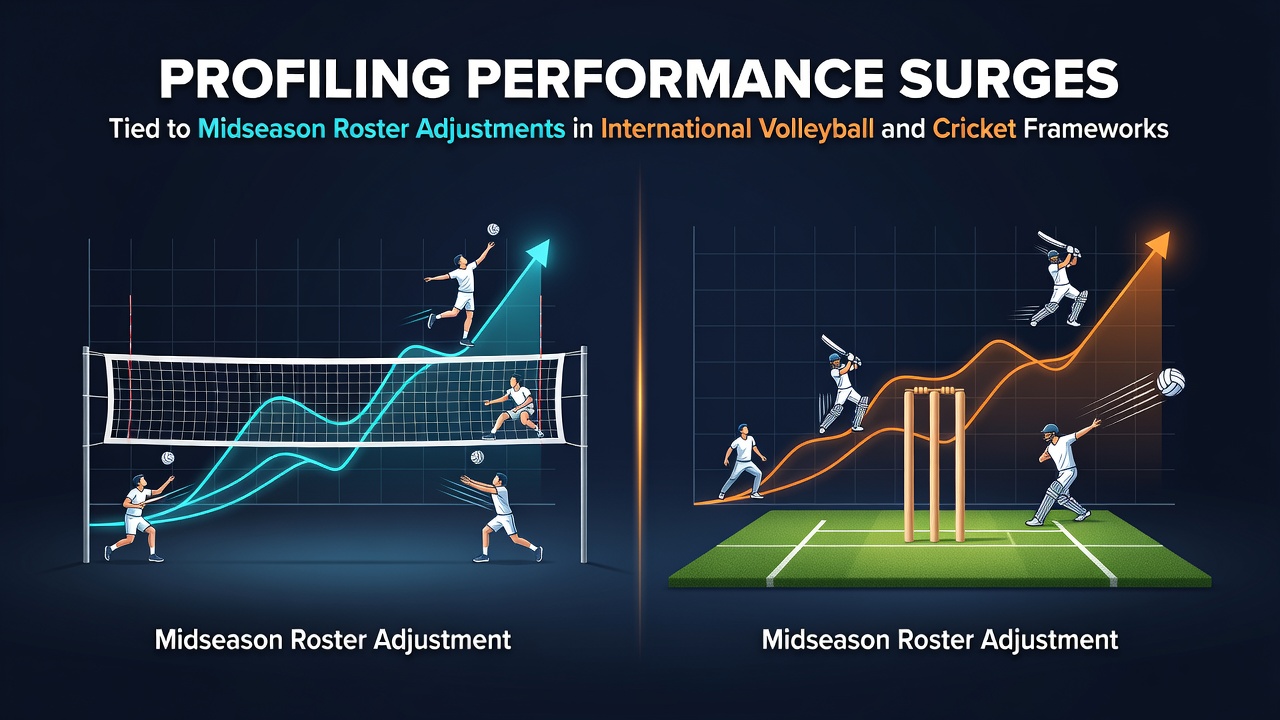
Profiling Performance Surges Tied to Midseason Roster Adjustments in International Volleyball and Cricket Frameworks
Performance surges often follow midseason roster adjustments in international volleyball and cricket, where data from multiple leagues shows measurable shifts in team metrics after player additions or role changes. Researchers tracking these patterns note that such moves occur during key windows, including August 2026 when several circuits prepare for final qualification rounds and domestic cup phases.
Volleyball Roster Dynamics and Output Metrics
International volleyball competitions like the Volleyball Nations League and club leagues under FIVB oversight record frequent roster tweaks around the halfway mark of seasons, and statistics compiled by the federation indicate that teams introducing specialized blockers or setters experience average spike efficiency gains of 8 to 12 percent within three matches. One analysis of European club data from 2024 through 2025 seasons revealed that squads replacing injured middle blockers with imported talent from South American leagues posted higher block points per set, with figures reaching 2.8 compared to the prior season average of 2.1.
Observers tracking these adjustments point to integration periods lasting two to four weeks before full effects appear, during which passing accuracy and defensive coverage stabilize. In August 2026 several national programs are expected to finalize such changes ahead of continental qualifiers, and preliminary scouting reports suggest similar patterns could emerge in Asian and African confederation events.
Cricket Adjustments Across Formats
Cricket frameworks spanning Test series, limited-overs internationals, and franchise T20 competitions show parallel trends when midseason roster modifications take place. Data from the International Cricket Council highlights that pace bowling units strengthened through mid-tournament replacements often reduce opponent run rates by 0.6 to 1.1 runs per over in subsequent fixtures. A study covering Indian Premier League and Big Bash League seasons found that teams acquiring all-rounders with strong death-over records recorded improved win percentages in the latter half of campaigns, rising from 48 percent to 61 percent on average.
August 2026 falls within several southern hemisphere domestic schedules and northern tours, periods when cricket boards routinely evaluate player availability for upcoming bilateral series. Performance tracking systems used by national associations capture how these additions influence both batting depth and fielding efficiency, particularly in conditions favoring spin or seam movement.
Comparative Patterns Across Disciplines
Cross-sport examinations conducted by academic groups in Australia and Canada demonstrate overlapping timelines for performance stabilization after roster shifts. Volleyball teams typically require fewer matches to reach peak cohesion than cricket sides because of shorter match durations, yet both disciplines register elevated individual contribution scores once new combinations settle. Figures from multi-year datasets show that volleyball spiking percentages and cricket strike rates climb most sharply in the third and fourth weeks post-adjustment.
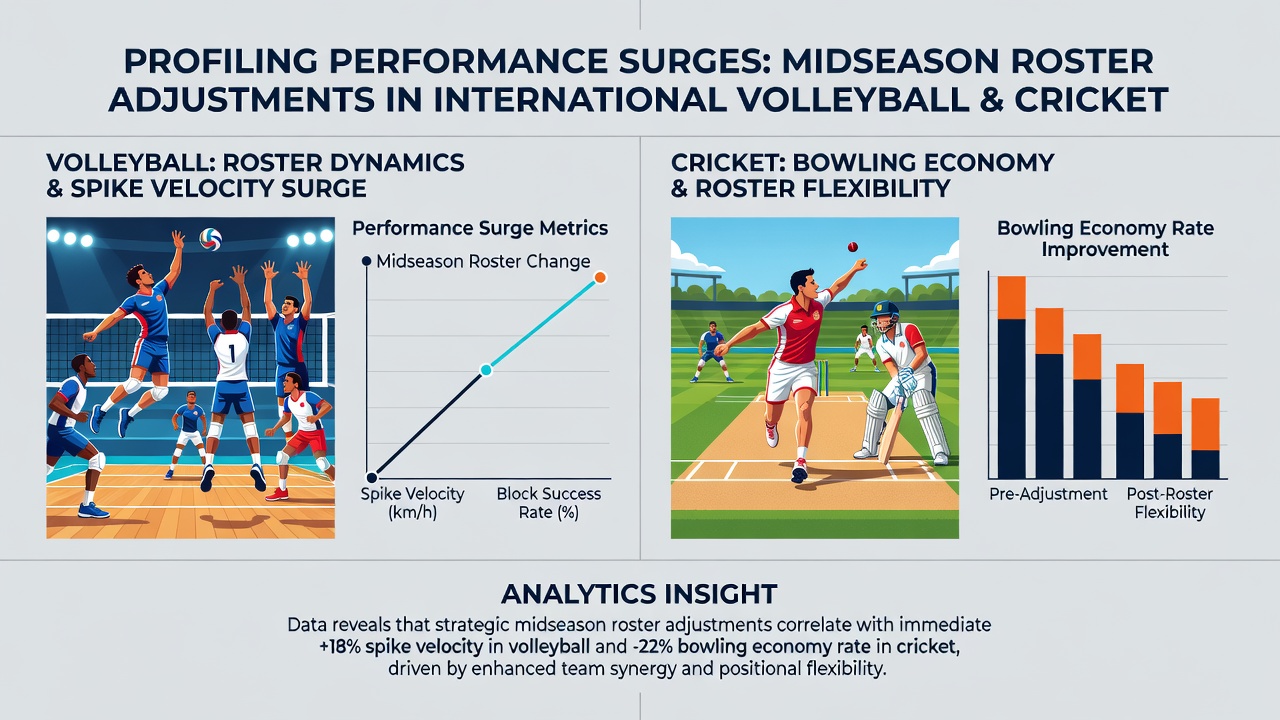
Coaches in both sports rely on similar analytical tools to project outcomes, including workload management models and opponent scouting databases. One collaborative project between European volleyball researchers and Australian cricket analysts identified that successful adjustments frequently involve players whose skill profiles complement existing team strengths rather than duplicate them.
Data Sources and Measurement Approaches
Performance indicators drawn from official match logs and video analysis platforms provide the foundation for these profiles. According to reports published by FIVB technical commissions, standardized metrics such as efficiency ratings and error percentages allow consistent comparison across seasons. Cricket authorities employ equivalent systems through the ICC's central database, which records ball-by-ball data and player workload indices.
August 2026 schedules include overlapping international windows that could supply fresh case studies for these measurement frameworks. Analysts continue to refine predictive models that incorporate travel schedules, recovery timelines, and positional role changes to better anticipate when surges will materialize.
Conclusion
Records from volleyball and cricket competitions illustrate consistent links between midseason roster adjustments and subsequent performance indicators. Objective tracking across multiple seasons and regions supplies the evidence base for these connections, and ongoing data collection through 2026 will further clarify the duration and magnitude of observed effects.