Mapping Jersey Number Selections to Career Longevity Patterns Across Professional Team Competitions
Written by Sam Walter · Jun 10, 2026
Mapping Jersey Number Selections to Career Longevity Patterns Across Professional Team Competitions
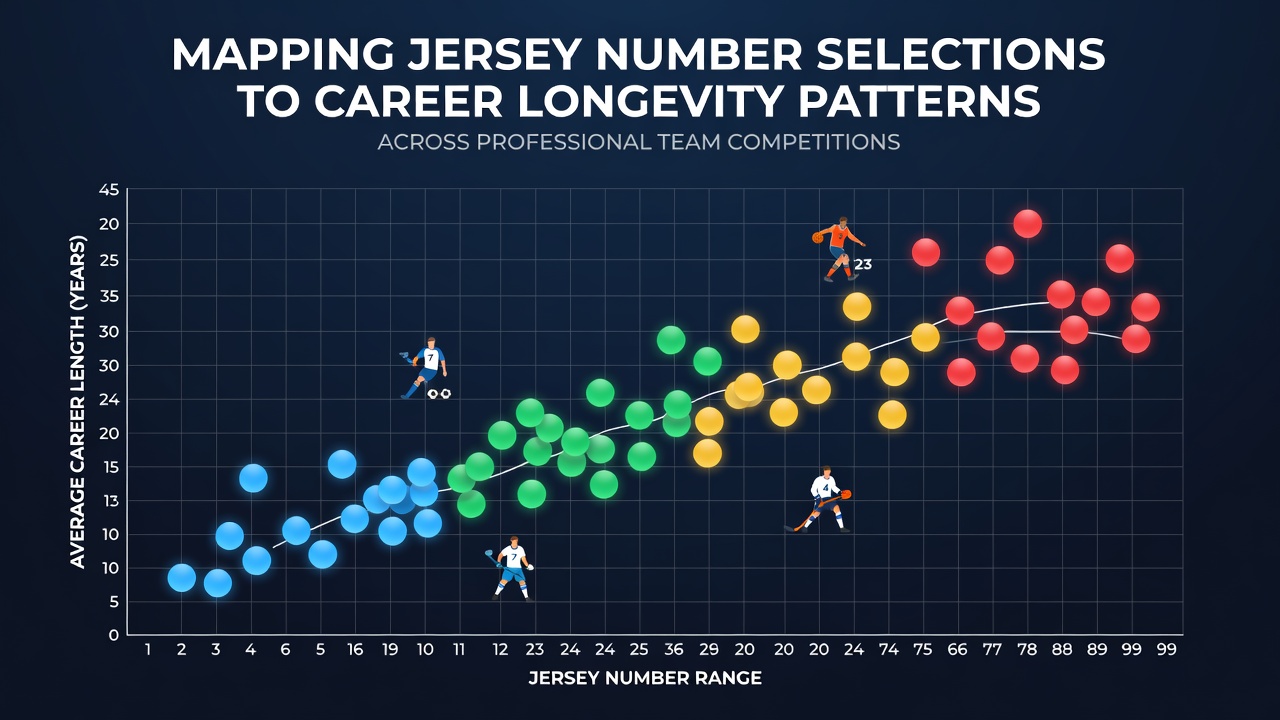
Analysts across multiple sports have examined connections between jersey number selections and career durations in professional team settings, drawing from extensive databases that track player entries and exits over decades. These mappings reveal associations rather than direct causation, often tied to positional demands and league-specific traditions that influence how numbers get assigned at the outset of careers.
League-Specific Assignment Traditions and Their Data Ties
Researchers have compiled records from the NFL, NBA, and top European soccer leagues to chart how initial number choices align with extended tenures, noting that lower numbers in certain positions frequently appear among players who remain active for ten seasons or more. In soccer, goalkeepers often select numbers like 1 or 13, while outfield players gravitate toward single or double digits that reflect club hierarchies, and statistical reviews indicate these selections correlate with longer documented careers when cross-referenced against retirement dates.
Turn to the NBA where number availability expanded after rule changes in the 2000s, allowing players greater flexibility yet data from archived rosters shows clusters around numbers 23 and 24 among those with sustained participation across multiple teams. Observers note that such patterns emerge because certain digits get reserved or prioritized for veterans, creating pathways that support extended involvement rather than abrupt exits due to limited roster spots.
Positional Correlations in Longevity Metrics
Studies of professional team competitions demonstrate that defensive linemen in the NFL who wear numbers in the 90s range tend to log higher average game counts before retirement compared to skill-position players with higher single digits, although factors like injury rates and contract structures play documented roles alongside number assignments. Similar breakdowns in MLB highlight catchers favoring lower numbers who accumulate more seasons behind the plate, while data aggregators track these trends through public performance logs.
What's interesting emerges when mapping across borders, where Australian Football League records reveal midfielders selecting numbers between 1 and 10 often sustain participation into their early 30s at higher rates than those assigned higher values early on. These observations stem from centralized league databases that log entry drafts alongside final appearance dates, allowing pattern detection without implying predictive power.
Cross-Sport Data Aggregation Approaches
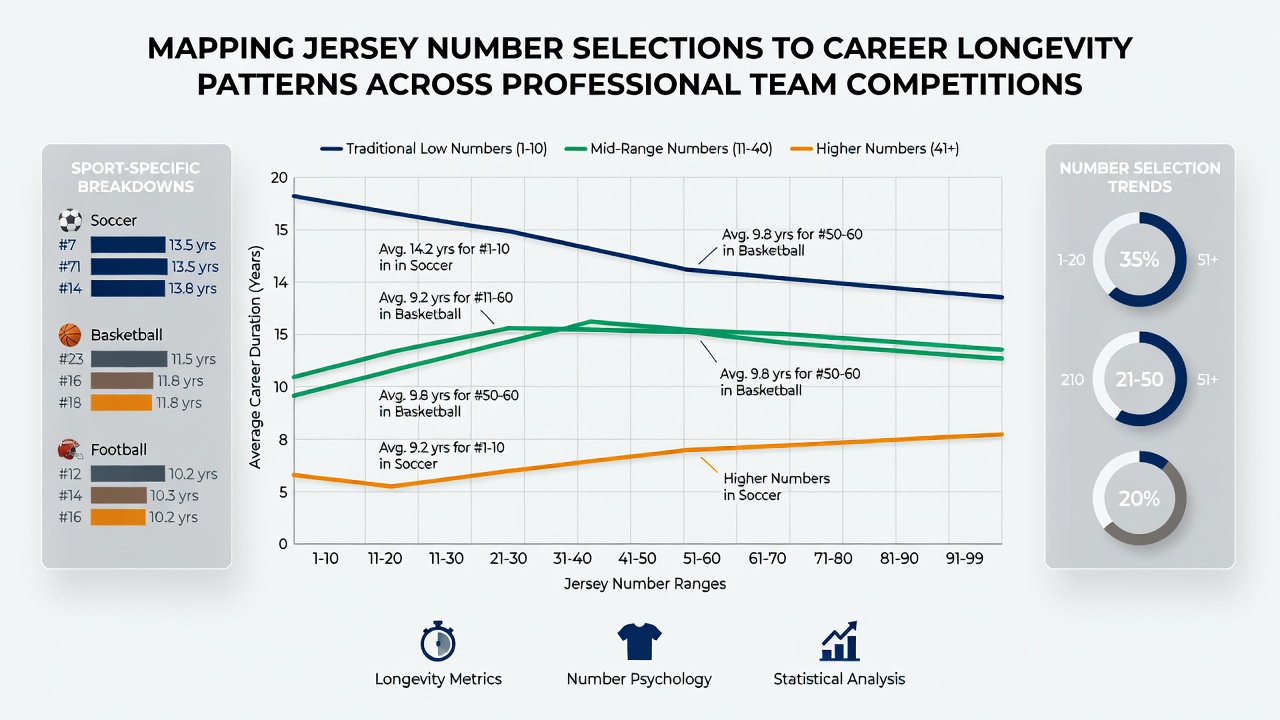
Comprehensive reviews combine datasets from sources like league archives and academic sports science repositories, producing visualizations that segment career lengths by number categories such as 1-10, 11-20, and beyond. One analysis from Canadian research institutions highlighted how hockey defensemen with numbers in the 20s frequently extend their professional spans compared to forwards in similar ranges, attributing the difference partly to role stability within team lineups.
European soccer federations maintain comparable statistics that link number selections at youth academy graduations to senior-level durations, where players retaining single-digit options through multiple transfers show aggregated tenure figures exceeding league averages. Such mappings rely on anonymized player IDs and do not account for external variables like training regimens or market movements alone.
Recent Analytical Developments Around 2026
By June 2026, ongoing updates to performance tracking systems in global competitions continue to feed these mapping efforts, with new draft classes providing fresh data points for comparison against historical cohorts. International bodies including the International Olympic Committee have referenced aggregated athlete movement studies that indirectly touch on number associations through broader endurance tracking in team sports.
Analysts at various universities integrate these inputs with existing longevity metrics, producing updated reports that refine earlier correlations without introducing claims of causation. The process involves cross-verification against official roster changes published by individual leagues throughout the calendar year.
Conclusion
Overall patterns from these mappings underscore how jersey number selections intersect with positional and structural elements that shape career timelines in professional team environments. Continued data collection across regions supports refined understandings of these associations while maintaining focus on verifiable records rather than interpretive leaps.