Exploring Biomechanical Sensor Data Applications in Refining Training Protocols for Precision Athletic Disciplines
Written by Viktor Keller · Jul 18, 2026
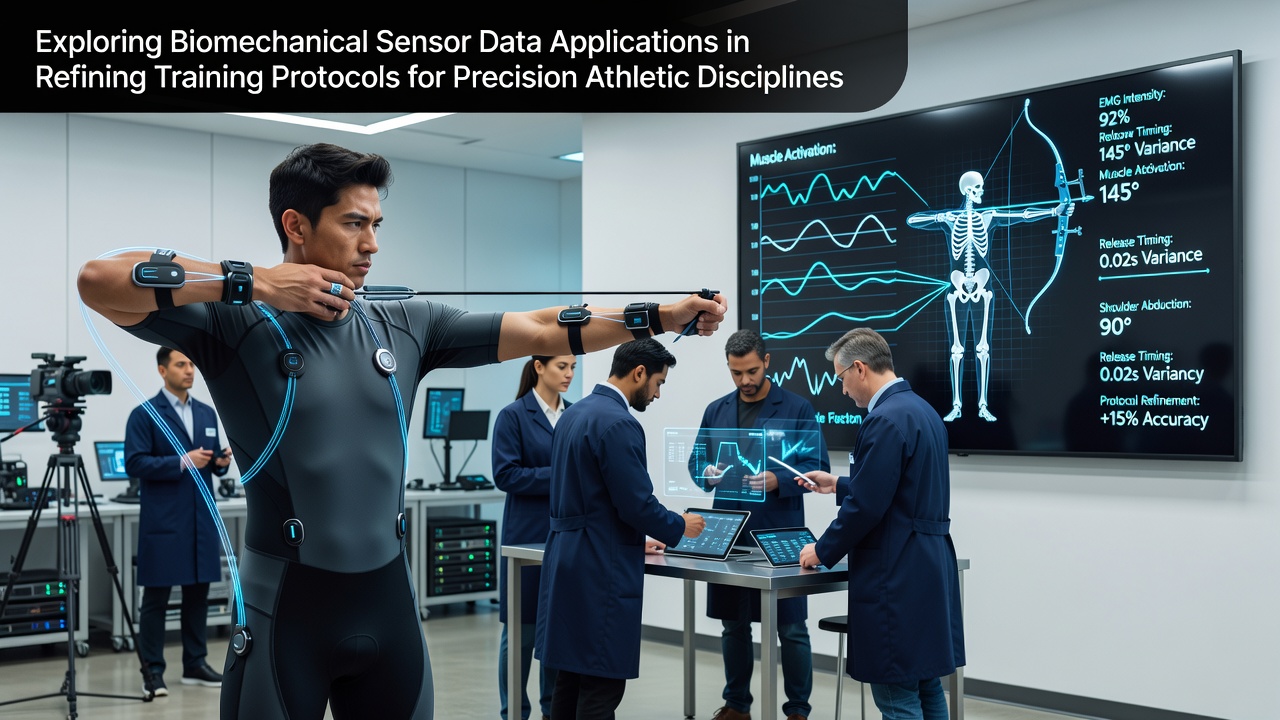
Exploring Biomechanical Sensor Data Applications in Refining Training Protocols for Precision Athletic Disciplines
Biomechanical sensor data has become central to training protocols across precision athletic disciplines such as archery, shooting, fencing, and gymnastics, where small adjustments in posture, force application, and movement timing determine competitive outcomes. Researchers deploy wearable accelerometers, gyroscopes, electromyography units, and force plates to capture real-time metrics on joint angles, muscle activation patterns, and ground reaction forces during practice sessions.
Data Collection Methods in Precision Sports
Archers attach inertial measurement units to their bows and limbs, which record draw force curves and release consistency across hundreds of shots per session, while shooters integrate pressure sensors into their grips and stances to monitor trigger pull timing relative to breathing cycles. Data streams feed into software platforms that generate heat maps of movement variability, allowing coaches to identify when an athlete's elbow deviates beyond two degrees from an established baseline during the aiming phase.
Studies from institutions like the University of Queensland have shown that integrating these sensors into weekly training cycles reduces shot group dispersion by measurable margins when athletes review synchronized video and sensor overlays immediately after each set. In fencing, footwork pressure mats track lunge acceleration and recovery steps, producing datasets that highlight asymmetries in weight distribution that correlate with slower response times against opponents.
Integration into Training Protocol Adjustments
Coaches use aggregated sensor outputs to modify drill sequences, such as increasing the frequency of isometric holds for archers whose data reveals inconsistent scapular stabilization under fatigue. Protocols now incorporate threshold alerts that pause sessions when muscle activation exceeds predefined fatigue indicators derived from prior competitions. This approach differs from traditional video review because it quantifies internal loads rather than relying solely on visual cues.
During July 2026, several national training centers plan to roll out updated software interfaces that combine biomechanical data with heart rate variability readings, enabling more precise scheduling of high-intensity versus recovery-focused days. European research consortia have contributed open datasets on elite shooters that demonstrate how sensor-guided breathing synchronization improves hit rates on moving targets by aligning trigger activation with minimal torso sway periods.
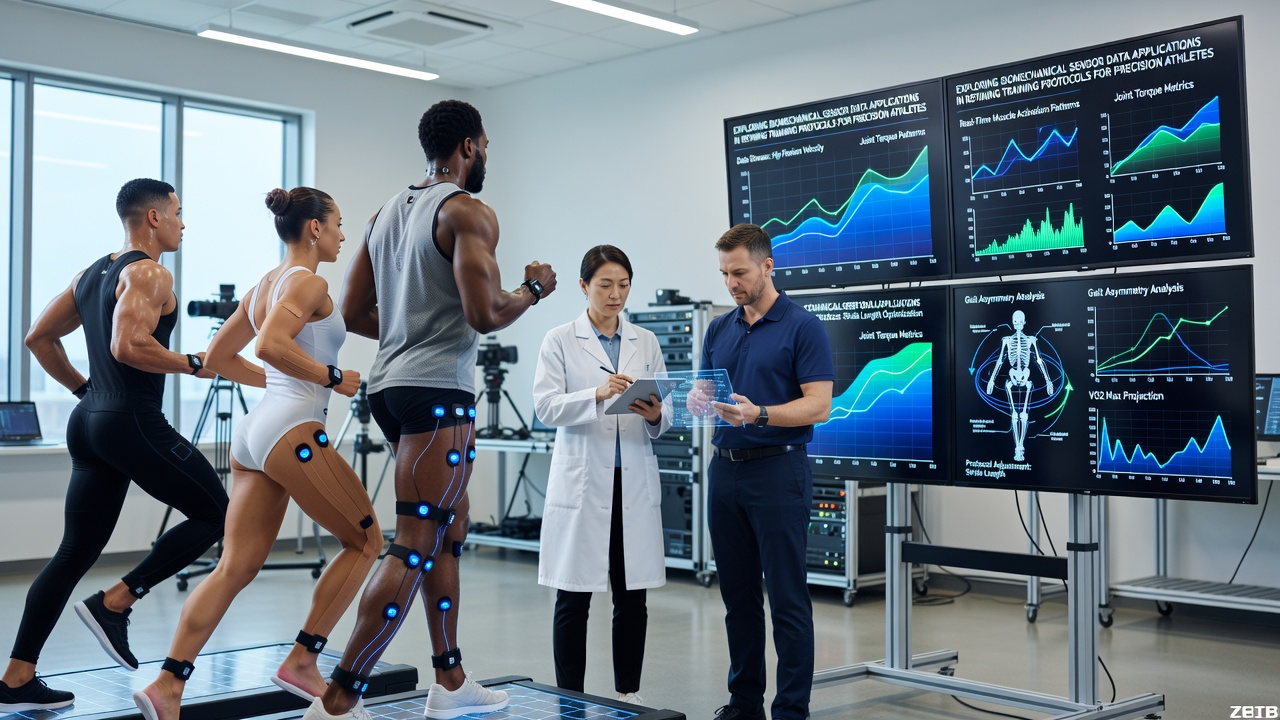
Gymnasts benefit from similar applications when ankle and wrist sensors detect micro-adjustments during balance beam routines, data that informs targeted mobility work to reduce wobble frequency. One documented case involved a national team adjusting its vault approach drills after force plate readings indicated excessive horizontal braking forces at takeoff, which had previously gone unnoticed in standard coaching observations.
Comparative Analysis Across Disciplines
Precision disciplines share common sensor applications yet diverge in emphasis. Archery protocols prioritize release timing consistency, whereas shooting training focuses more on stance stability under varying wind simulations. Fencing data sets emphasize reactive footwork metrics that differ from the static hold requirements seen in gymnastics routines. Cross-sport comparisons reveal that athletes who maintain lower movement variability scores in sensor-tracked sessions tend to sustain performance levels across longer competition schedules.
Academic reports from Australian sports institutes indicate that combining multi-sensor arrays with machine learning models allows prediction of technique breakdown up to three training sessions before it appears in competition scores. These models process variables including elbow angular velocity in archery and center-of-pressure shifts in pistol shooting, then generate individualized adjustment recommendations that coaches implement through modified repetition schemes.
Challenges in Data Interpretation and Protocol Refinement
Despite clear utility, large volumes of biomechanical data require careful filtering to avoid information overload during daily training. Teams establish standardized metrics, such as peak force symmetry ratios and release jerk values, that align with each athlete's historical performance records. Sensor calibration remains essential because drift in accelerometer readings can produce false variability signals if not addressed through regular zeroing procedures before sessions begin.
Observers note that successful programs pair sensor feedback with athlete self-reporting on perceived effort, creating layered datasets that support both quantitative adjustments and qualitative discussions between coaches and competitors. This combined method helps maintain engagement while ensuring protocol changes rest on verifiable movement patterns rather than isolated data points.
Future Directions in Sensor-Driven Training
Emerging applications include real-time haptic feedback devices that vibrate when detected deviations exceed thresholds, potentially accelerating motor learning cycles in precision tasks. Collaborative projects between research centers in Canada and the European Union continue to standardize data formats across disciplines, which facilitates larger comparative studies on training efficacy.
Evidence suggests continued expansion of these technologies will further embed sensor-derived insights into periodized plans, particularly as hardware becomes lighter and software interfaces grow more intuitive for on-site use by coaching staff.
Conclusion
Biomechanical sensor applications continue to reshape training protocols in precision athletic disciplines by delivering quantifiable movement data that guides targeted adjustments. From archery release consistency to gymnastics balance metrics, these tools support systematic refinement while requiring structured interpretation frameworks to maximize value. As integration with recovery indicators advances through 2026 and beyond, programs that combine sensor outputs with established coaching practices demonstrate measurable consistency improvements across multiple sports.