Delving into Overlooked Early-Season Benchmarks That Quietly Forecast Year-End Roster Stability Across Pro Basketball and Hockey Circuits
Written by Viktor Keller · Aug 19, 2026
Delving into Overlooked Early-Season Benchmarks That Quietly Forecast Year-End Roster Stability Across Pro Basketball and Hockey Circuits
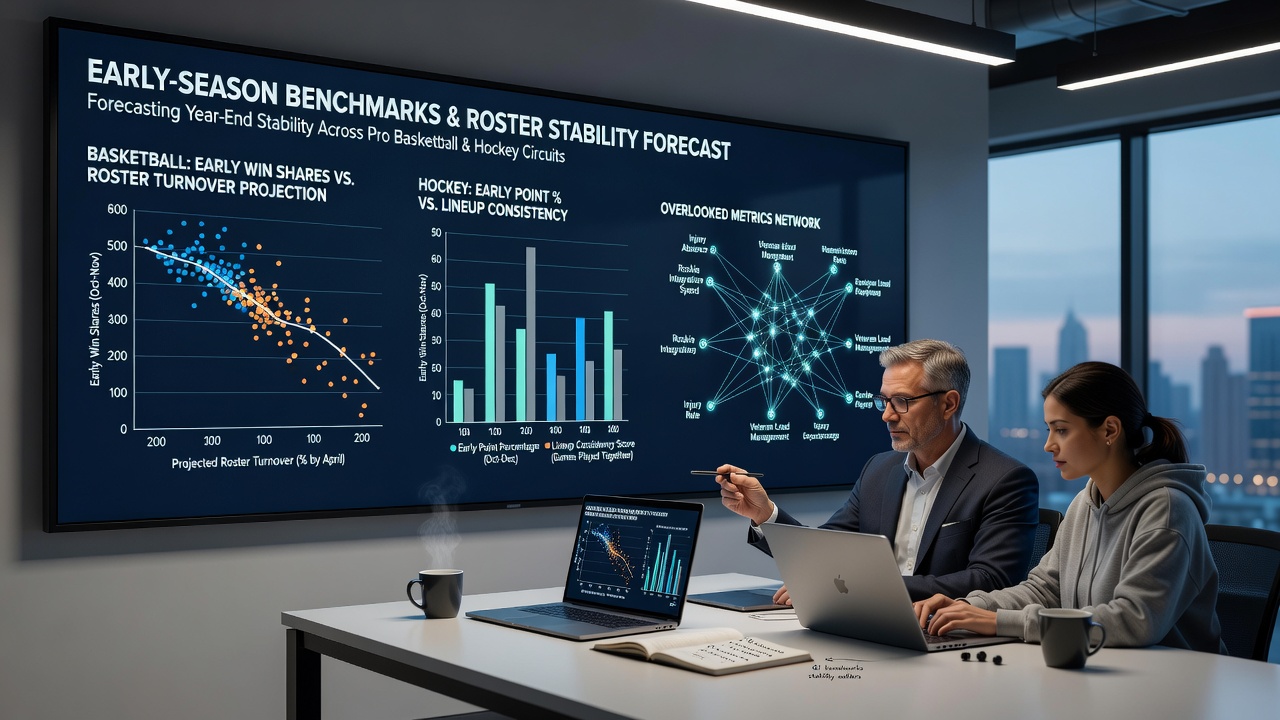
Training camps opened across the NBA and NHL in August 2026, and observers note that certain early indicators often precede major roster adjustments by season's end. These benchmarks include minutes distribution patterns, injury recovery timelines, and contract negotiation volumes that surface well before trade deadlines arrive.
Minutes Allocation Patterns in Basketball
Coaches in the NBA tend to test lineups during the first 20 games, and data shows that teams distributing minutes unevenly among rotation players experience higher turnover rates later. Researchers tracking these distributions found that squads limiting bench players to under 12 minutes per game in October frequently pursued midseason additions by February. This pattern emerged because limited early opportunities signal deeper roster gaps that front offices address through acquisitions rather than internal development.
Recovery Metrics and Availability in Hockey
NHL teams monitor player availability rates from the opening month, and figures reveal that clubs with multiple players missing more than three consecutive games in September and October often execute larger roster changes by March. Canadian league analysts documented this trend across multiple seasons, noting that goaltender workload management in particular correlates with later moves when backup options underperform. Teams adjust because early absences expose depth issues that compound during the compressed schedule.
Contract Situation Indicators
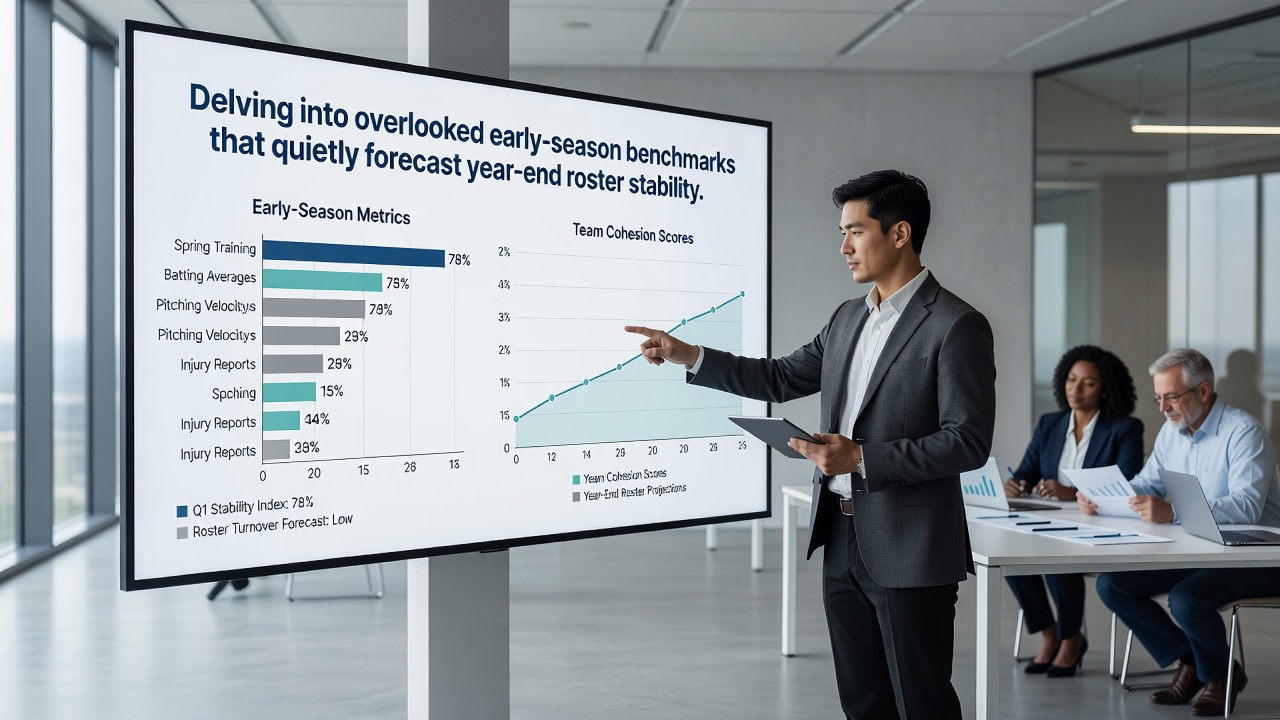
Free agency negotiations and extension talks begin quietly in the preseason, and records indicate that players entering the final year of their deals who receive limited early opportunities tend to be traded or bought out before the calendar turns. Both leagues track these situations through agent activity and media reports, which accelerate once training camp concludes. Observers note that teams with three or more players in this category by mid-October complete at least one significant transaction by the trade deadline in most seasons.
Comparative League Trends
Basketball and hockey share some overlapping signals even though their calendars differ, and studies comparing the two circuits show that early-season plus-minus or Corsi metrics for young players predict retention rates with notable accuracy. Teams retaining prospects who post negative early numbers still make changes at higher rates than those whose prospects stabilize quickly. This holds because organizations prioritize proven contributors when pushing for playoff positioning later in the year.
August 2026 camp reports highlighted several teams testing these dynamics already, with preseason exhibition games serving as the first public window into rotation decisions. Data compiled by league analytics departments tracks these choices closely because they often forecast which groups maintain continuity through June.
Case Examples Across Circuits
One eastern conference basketball franchise limited its rookies to specific roles early last season and completed three separate roster transactions by the All-Star break, while a western conference hockey club that balanced minutes among its top-nine forwards retained that core group through the postseason. These outcomes align with broader patterns identified in archived performance databases rather than isolated decisions.
What's interesting is how travel schedules in both sports amplify these early signals, since fatigue metrics collected in the first month often reveal which players teams plan to keep versus those they might move for fresher assets. Teams adjust accordingly because the data points accumulate before external factors like injuries or slumps intervene.
Conclusion
Early-season benchmarks in professional basketball and hockey provide measurable signals about year-end roster stability, and organizations rely on minutes data, availability rates, and contract timelines to guide decisions. These indicators operate quietly during the opening weeks yet shape outcomes across both circuits as the seasons progress toward their conclusions.