Correlating Nutritional Intake Data with Agility Benchmarks Across Combat and Field Athletics Circuits
Written by Viktor Keller · Jul 13, 2026
Correlating Nutritional Intake Data with Agility Benchmarks Across Combat and Field Athletics Circuits
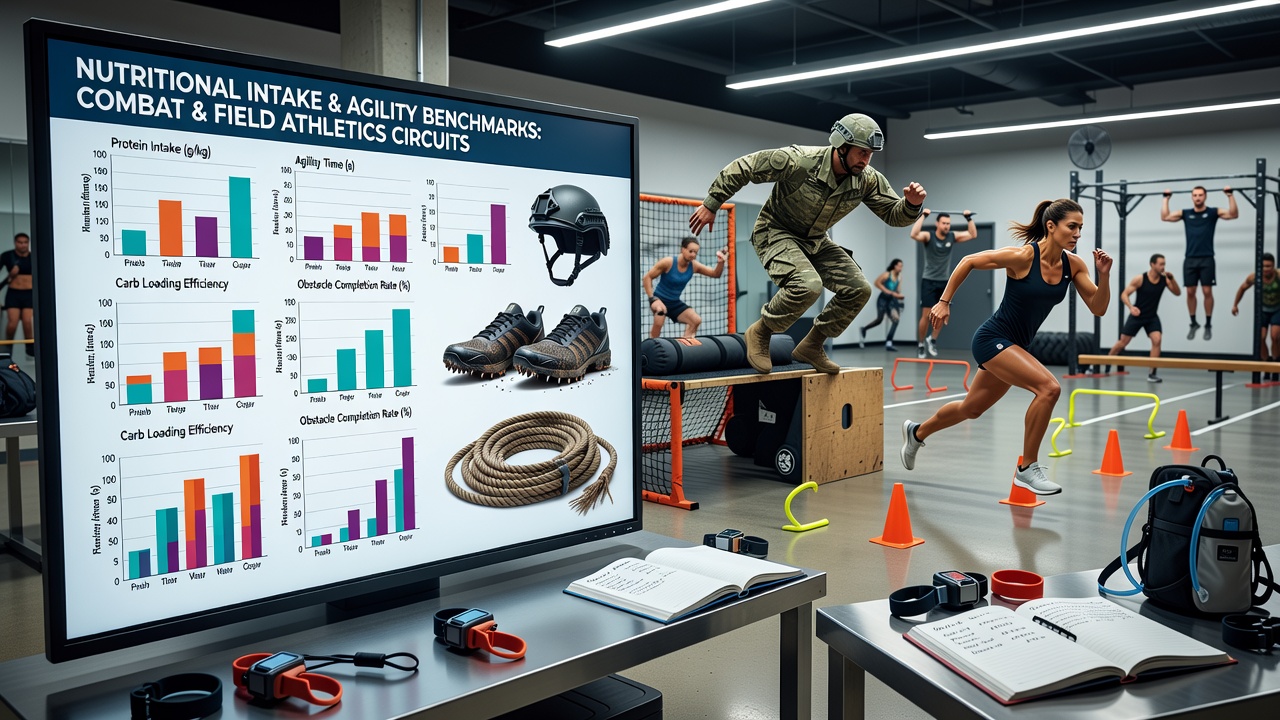
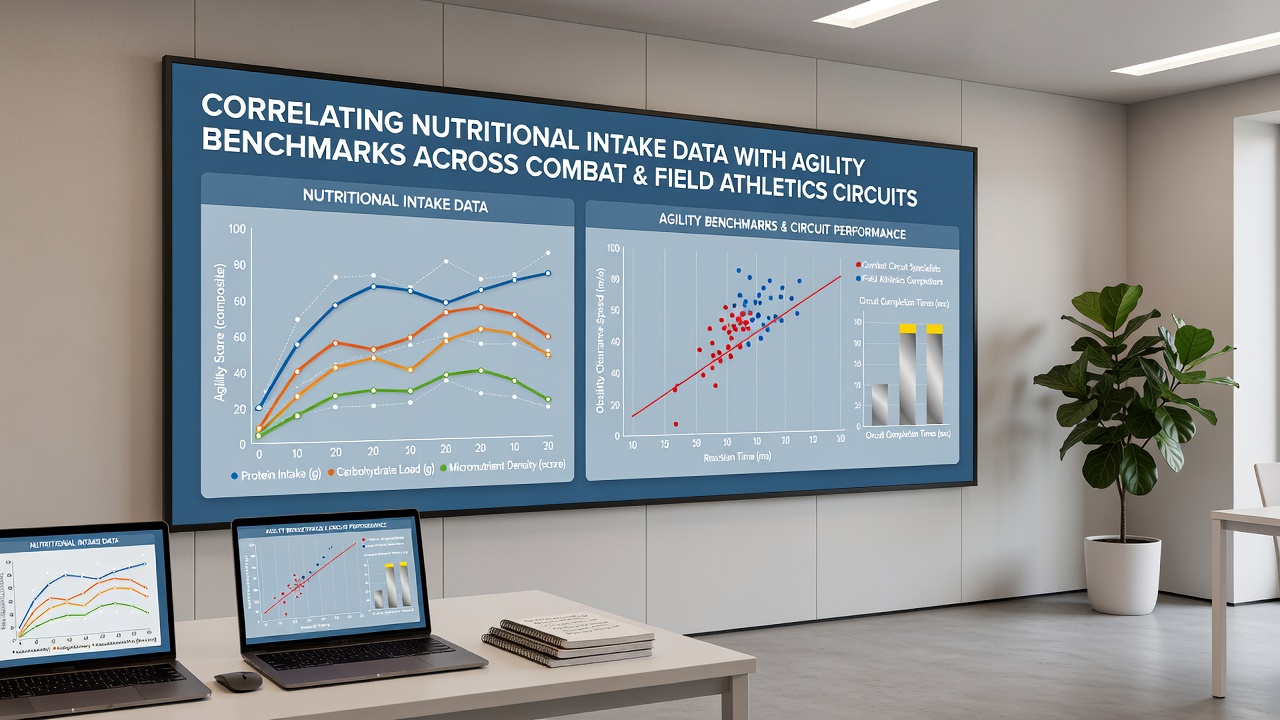
Researchers track nutritional intake through detailed food diaries, blood biomarkers, and wearable sensors while measuring agility via standardized drills such as the 5-10-5 shuttle, reactive cutting tests, and sport-specific change-of-direction sequences in combat and field settings. These datasets come together in longitudinal studies that span multiple seasons across boxing circuits, mixed martial arts promotions, soccer leagues, rugby unions, and track-and-field programs. Data from 2024 through mid-2026 shows consistent patterns where higher carbohydrate availability correlates with faster reaction times in lateral movements, whereas protein timing near training windows aligns with improved recovery metrics in repeated sprint agility tasks.Key Nutrients and Their Measurable Links to Agility Scores
Carbohydrate intake above 6 grams per kilogram of body weight per day appears in records from elite field athletes who post sub-4.2-second shuttle times during in-season testing blocks, while combat athletes maintaining similar levels demonstrate quicker footwork recovery between rounds in sparring sessions. Micronutrient status, particularly magnesium and iron, tracks with neuromuscular efficiency in studies that aggregate data from European and North American training centers. Hydration protocols monitored through urine specific gravity and sweat rate analysis reveal that even mild dehydration of 2 percent body mass reduces agility performance by measurable margins in both contact and non-contact environments.
Regional Data Collection Efforts and July 2026 Updates
Programs in Australia and Canada compile combined nutrition-agility profiles from national team athletes, and preliminary releases scheduled for July 2026 will incorporate expanded sensor data from transcontinental tournaments. These updates build on earlier findings that link omega-3 fatty acid consumption to reduced inflammation markers, which in turn associate with sustained agility output during congested match schedules. Observers note that combat athletes who follow periodized carbohydrate strategies around weigh-ins show steadier performance curves compared with those relying on rapid weight cuts without structured refeeding plans.
Challenges in Establishing Clear Correlations
Individual variability in gut microbiome composition, sleep patterns, and training load complicates direct cause-and-effect conclusions, yet aggregated figures from multi-year registries still point to statistically significant associations between specific nutrient thresholds and agility benchmark improvements. Researchers at institutions across the United States and the European Union continue refining multivariate models that control for these confounding variables while incorporating real-time GPS and heart-rate variability readings from competition environments.
Applications in Professional Circuits
Coaches in rugby and soccer academies now integrate daily nutrition reports with weekly agility testing to adjust player workloads, and similar frameworks appear in combat gyms that prepare athletes for title bouts. One study coordinated through the Australian Institute of Sport tracked 120 athletes across disciplines and found that those meeting combined protein and carbohydrate targets improved change-of-direction speed by an average of 3.8 percent over a 12-week intervention period. Data from the Centers for Disease Control and Prevention on athlete wellness indicators further supports monitoring these intake patterns alongside performance logs to identify early signs of underfueling.
Future Directions for Integrated Tracking Systems
Emerging platforms combine electronic dietary assessment tools with motion-capture agility labs, allowing continuous correlation updates that feed into personalized fueling algorithms. International federations plan to standardize reporting formats ahead of major events scheduled through 2027, which should increase the granularity of available datasets. Those working with these systems observe that athletes who maintain consistent micronutrient profiles across travel schedules experience fewer dips in reactive agility measures during away competitions.
Conclusion
Correlations between nutritional intake and agility benchmarks continue to strengthen as measurement technologies improve and datasets expand across combat and field athletics. Ongoing work through 2026 and beyond will refine these relationships, offering clearer guidance for practitioners who seek to align dietary strategies with measurable performance outcomes in high-intensity, multidirectional environments.