Biomechanics and Performance Thresholds: Data Patterns Emerging from Wearable Tech in Team Sports
Written by Viktor Keller · Aug 26, 2026
Biomechanics and Performance Thresholds: Data Patterns Emerging from Wearable Tech in Team Sports
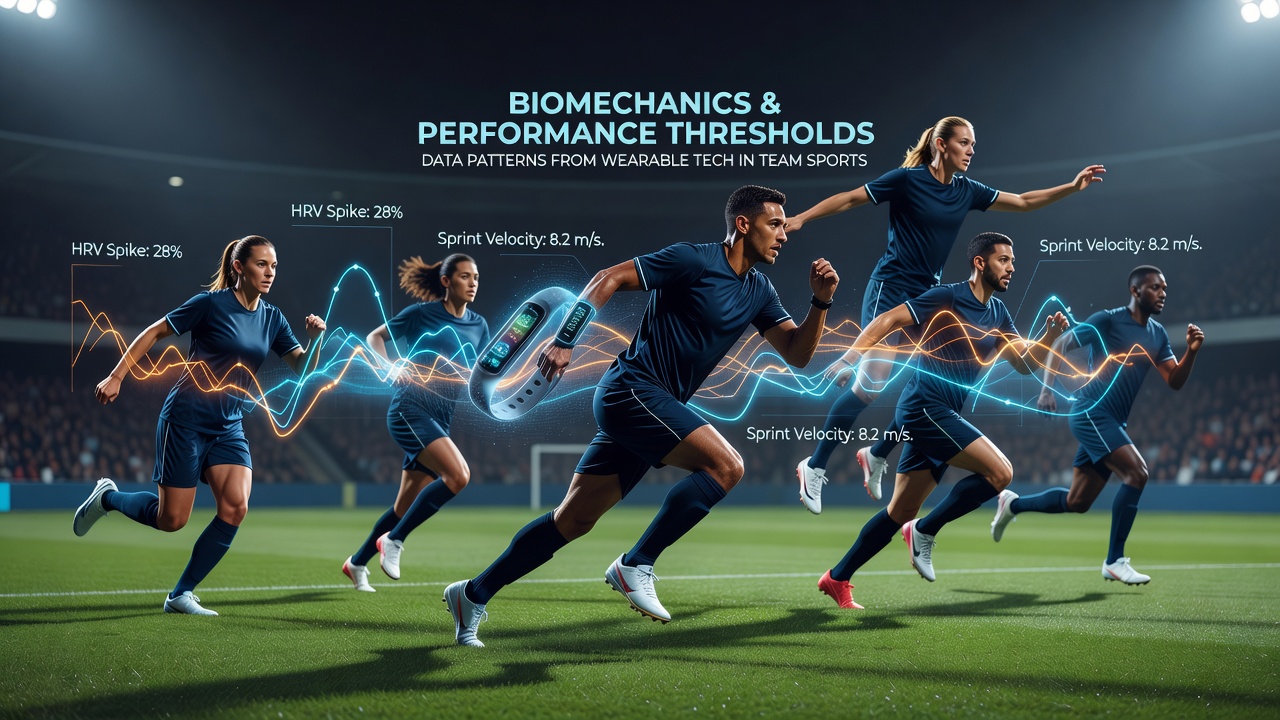
Team sports organizations now rely on wearable devices to capture biomechanical data at scale, and these tools generate measurable patterns in movement efficiency along with performance thresholds that guide training decisions. Devices such as GPS units, inertial measurement units, and heart rate monitors record force loads, joint angles, and acceleration metrics during matches and practices across soccer, basketball, rugby, and American football.
Core Technologies and Their Biomechanical Outputs
Accelerometers and gyroscopes inside these wearables track linear and angular motion, while pressure sensors in some models estimate ground reaction forces. Data streams feed into algorithms that calculate parameters like stride length variability, torso rotation rates, and cumulative high-intensity efforts. Leagues in Europe and North America have standardized collection protocols, allowing comparisons between player cohorts over multiple seasons.
Researchers at institutions including the Australian Institute of Sport have documented how elbow and knee joint moments extracted from wearable data correlate with injury incidence rates in contact sports. These measurements help establish individualized baselines rather than generic population averages, since thresholds differ by position, age, and prior workload history.
Observed Data Patterns Across Leagues
Analyses of professional soccer datasets reveal that players exceeding 85 percent of their personal maximum acceleration threshold for more than 12 minutes per match show elevated markers of neuromuscular fatigue the following day. Similar patterns appear in NBA tracking, where lateral movement volume above established limits links to next-game shooting percentage declines. Rugby union studies report that tackle-related impact forces recorded by chest-worn sensors predict days missed due to soft-tissue issues when cumulative weekly loads surpass position-specific cutoffs.
August 2026 figures from several European top-flight clubs indicate that teams integrating real-time biomechanical alerts reduced non-contact injury occurrences by measurable margins compared with prior seasons. The same datasets highlight position-dependent thresholds: midfielders tolerate higher total distance yet show earlier drops in peak velocity maintenance than forwards.
Threshold Identification and Load Management Applications
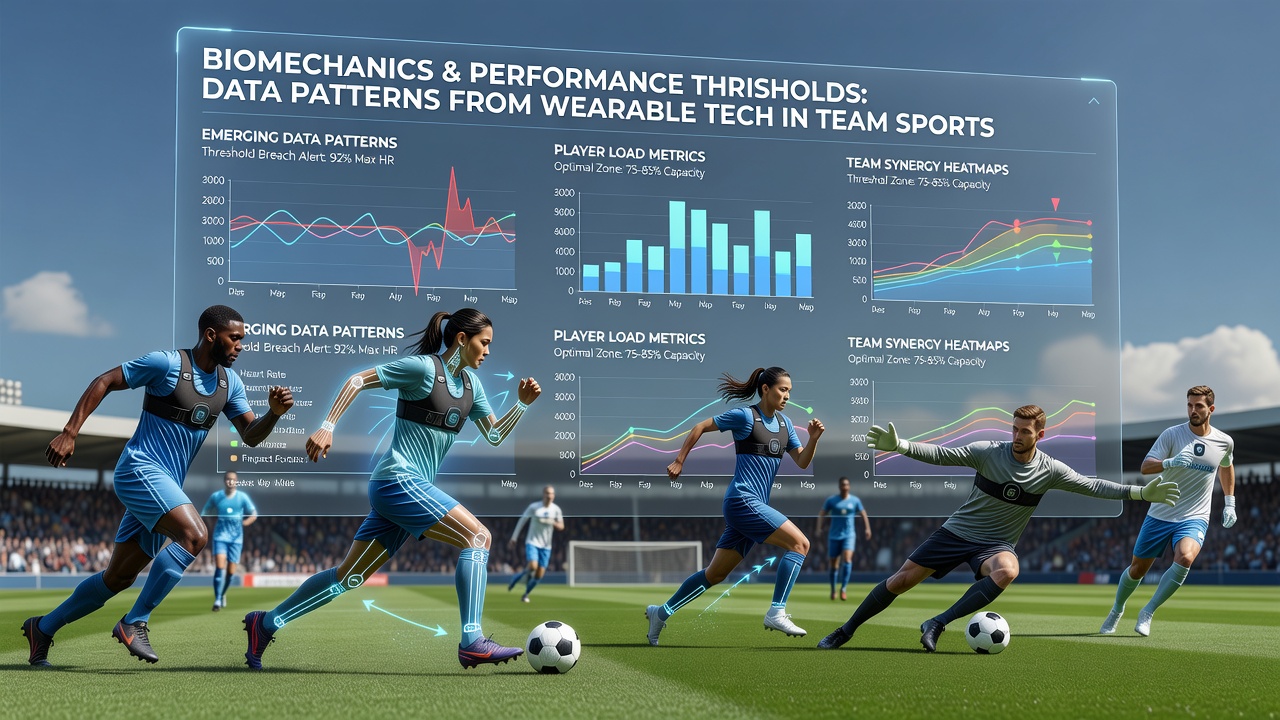
Performance thresholds emerge when repeated observations link specific biomechanical values to output metrics such as sprint speed retention or pass completion under fatigue. Clubs apply these thresholds through traffic-light systems that flag when an athlete approaches or crosses personal limits during sessions. This approach replaces uniform running volume prescriptions with individualized targets derived from longitudinal wearable records.
Studies conducted at Canadian and Scandinavian research centers demonstrate that adjusting drill intensity once players reach 90 percent of their established eccentric load threshold maintains acute readiness scores while preserving match-day outputs. These adjustments appear in training schedules across multiple continents, reflecting shared data interpretation frameworks rather than isolated team practices.
Integration Challenges and Standardization Efforts
Variability in device placement, sampling rates, and filtering methods still complicates direct comparisons between datasets from different manufacturers. Governing bodies and academic consortia continue to develop validation frameworks that align outputs from competing systems, and several leagues now require certified calibration routines before data enters official databases. Cross-border athlete movements add another layer, because players arriving from different leagues bring baseline profiles shaped by prior sensor ecosystems.
One documented case involves a cohort of rugby players monitored across transcontinental competitions; their wearable records showed consistent patterns in cervical spine loading during scrums once standardized filtering was applied, enabling medical staff to set position-specific exposure limits.
Future Data Integration Pathways
Emerging combinations of wearable biomechanics with video-derived skeletal tracking and on-field force plates promise finer resolution of movement signatures. Current projects funded through international sports science networks focus on machine-learning models that refine threshold predictions as new match data accumulates. These models incorporate contextual variables such as match congestion periods and environmental conditions without relying on subjective effort ratings.
Conclusion
Wearable-derived biomechanical data continues to define performance thresholds that inform daily decisions in team sports environments. Patterns extracted from acceleration profiles, joint loading estimates, and cumulative effort metrics now guide individualized training prescriptions across soccer, basketball, rugby, and football programs. As collection protocols standardize and datasets expand through 2026 and beyond, the capacity to predict readiness and manage loads based on objective movement signatures strengthens league-wide practices.