Biomechanical Feedback Loops: How Motion Capture Tech Refines Technique Adjustments Across Elite Gymnastics and Diving Circuits
Written by Otto Baumann · Aug 15, 2026
Biomechanical Feedback Loops: How Motion Capture Tech Refines Technique Adjustments Across Elite Gymnastics and Diving Circuits
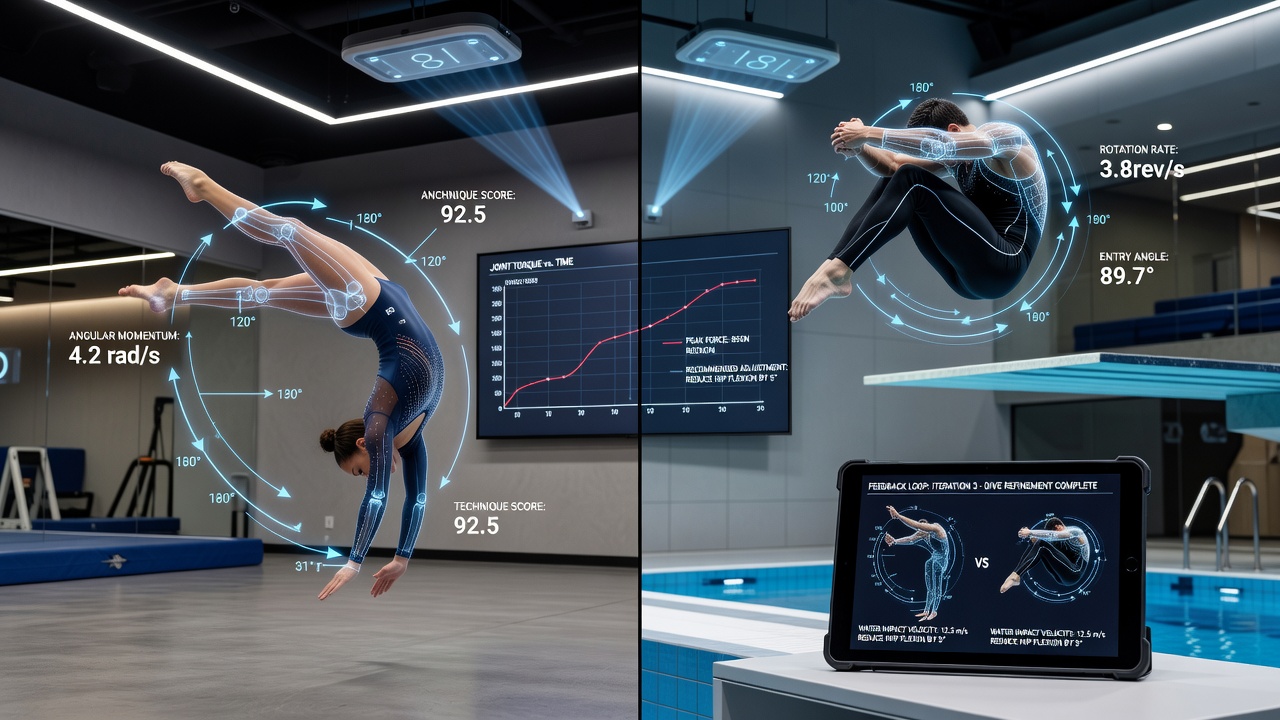
Elite gymnastics and diving programs have integrated motion capture systems into daily training routines, and these setups generate precise data on joint angles, velocity, and body positioning that coaches use to adjust techniques in real time. Systems track markers placed on athletes during routines, then software processes the information into visual models that highlight deviations from optimal movement patterns. Researchers at institutions across North America and Europe have documented how these loops allow incremental refinements, particularly in events where milliseconds and millimeters determine outcomes.
Core Mechanics of Motion Capture in Precision Sports
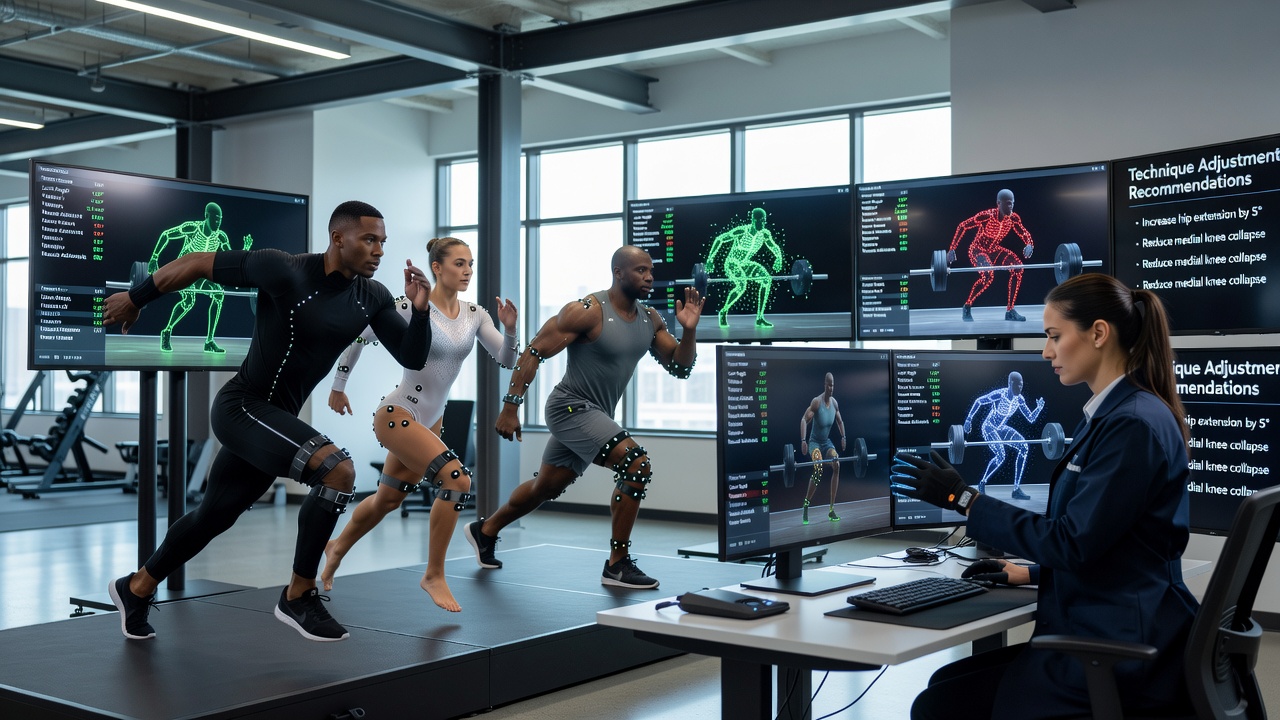
High-speed cameras positioned around training facilities capture movements at rates exceeding 200 frames per second, while inertial sensors attached to limbs record acceleration data that complements optical tracking. Software algorithms compare each repetition against biomechanical benchmarks derived from prior successful performances, and the resulting feedback reaches coaches through tablet interfaces or projected overlays within seconds. In August 2026, several national training centers in the United States and Australia expanded these installations ahead of qualification cycles, adding wireless sensor arrays that reduce setup time between sessions. Observers note that athletes receive immediate visual cues about shoulder rotation or hip alignment, which lets them repeat attempts with targeted corrections rather than relying solely on subjective coach instructions.
Application in Gymnastics Routines
Gymnasts on apparatus such as the uneven bars or vault benefit from motion capture that isolates takeoff angles and hand placement timing. Data streams reveal small asymmetries in force distribution that accumulate across multiple rotations, and coaches adjust grip positions or approach speeds accordingly. Studies conducted at the Australian Institute of Sport show measurable reductions in landing errors after athletes review three-dimensional replays of their dismounts. Programs in Canada have paired these tools with strength metrics, creating combined datasets that link muscle activation patterns to aerial control. Those who train under these protocols report faster convergence on consistent execution, since each adjustment addresses a specific variable identified by the system rather than broad observations.
Integration in Diving Platforms and Springboards
Divers encounter similar benefits when motion capture tracks body alignment during approach steps and entry phases. Systems measure the precise moment of board departure and subsequent somersault rotations, then flag instances where knee flexion exceeds established thresholds. Facilities affiliated with World Aquatics have adopted portable setups that travel with teams to international meets, ensuring continuity in data collection. One training group in Spain documented how feedback on arm positioning during pike entries reduced splash radius across repeated attempts. The loops operate continuously because divers can perform multiple dives in quick succession while the software updates models after every repetition, allowing technique tweaks before fatigue sets in.
Building Closed Feedback Loops Across Sessions
Coaches combine motion capture outputs with performance logs to establish iterative cycles where each training block informs the next. Initial captures establish baseline profiles, subsequent sessions test adjustments, and accumulated data sets identify which modifications produce lasting improvements. Programs in Japan and Germany have layered machine learning models onto these datasets, predicting how small changes in one phase affect downstream movements. Athletes in these environments encounter fewer plateaus because the technology surfaces subtle inefficiencies that remain invisible to the naked eye during live observation. Figures from multi-year tracking at several Olympic preparation centers indicate steady gains in execution scores once feedback loops run uninterrupted for multiple competitive seasons.
Cross-Disciplinary Data Sharing and Equipment Advances
Gymnastics and diving federations have begun exchanging anonymized datasets to refine shared biomechanical standards, since both disciplines emphasize rotational control and body tension. Newer camera arrays introduced in 2025 feature higher resolution and reduced latency, which lets teams run capture sessions outdoors when weather permits. Partnerships with research universities supply updated kinematic models that account for individual anthropometric differences, moving beyond generic templates. Those overseeing elite circuits note that portable markerless systems now supplement traditional suits, widening access during travel periods when full labs remain unavailable.
Conclusion
Motion capture technology continues to shape technique refinement in gymnastics and diving through structured data loops that translate raw measurements into actionable adjustments. Centers operating these systems in 2026 demonstrate consistent application across both sports, supported by expanding sensor capabilities and collaborative research efforts. The approach relies on repeated measurement, comparison, and iteration rather than isolated observation, producing measurable shifts in execution quality over time.