Altitude Variations' Effects on Scoring Averages and Player Endurance Across High-Elevation Sporting Events Worldwide
Written by Otto Baumann · Aug 22, 2026
Altitude Variations' Effects on Scoring Averages and Player Endurance Across High-Elevation Sporting Events Worldwide
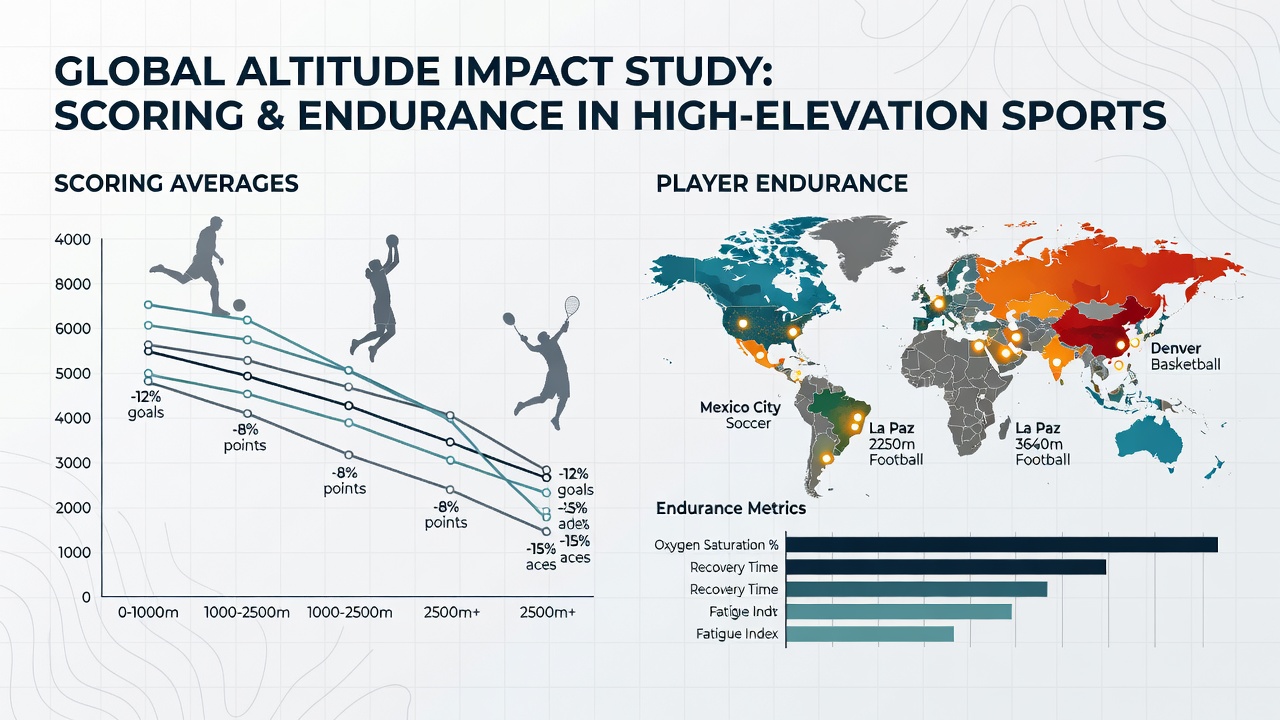
Researchers have documented how reduced oxygen levels at elevations above 1,500 meters alter both scoring patterns and physical stamina in multiple sports, and data from venues such as Denver's Coors Field, Bolivia's Estadio Hernando Siles, and several Andean cycling routes illustrate consistent physiological adjustments among athletes. Studies conducted over the past two decades show that explosive actions like sprinting or hitting can remain relatively stable while prolonged efforts suffer measurable declines, which in turn influences game outcomes and training protocols across continents.Physiological Responses at Different Elevations
Lower atmospheric pressure reduces oxygen availability, prompting the body to increase breathing rates and red blood cell production within hours of arrival, yet full acclimatization often requires two to three weeks according to findings from sports physiology labs. Athletes competing in events held between 2,000 and 3,600 meters therefore experience elevated heart rates and earlier onset of fatigue during endurance segments, while short bursts of power see minimal disruption in the initial stages of competition. Observers note that these adaptations vary by individual genetics and prior exposure, producing measurable differences in team-wide statistics when squads travel from sea-level bases.
Impact on Scoring in Team Sports
Baseball records from Coors Field demonstrate that home-run totals rise by approximately 20 to 30 percent compared with sea-level parks because the thinner air allows batted balls to travel farther, and pitchers report reduced movement on breaking pitches that leads to higher batting averages. Soccer matches in La Paz have produced elevated goal counts in some seasons when visiting teams struggle to maintain defensive shape after the 60-minute mark, although league-wide data also reveals that local sides benefit from familiarity rather than altitude alone. Basketball games at similar heights show smaller shifts in field-goal percentages, yet free-throw accuracy remains largely unchanged since the motion involves less aerobic demand.
Endurance Patterns Across Endurance Disciplines
Cycling stage races that climb above 2,500 meters record slower average speeds on summit finishes and longer recovery times between stages, with power-output data indicating drops of 10 to 15 percent relative to performances at lower altitudes. Marathon and ultra-running events scheduled in mountainous regions display comparable reductions in finishing times for non-acclimatized competitors, while those who arrive weeks early often close the gap through elevated hemoglobin levels. Rowing and swimming competitions at altitude remain rare, but limited trials indicate stroke efficiency declines faster than in land-based endurance sports because breathing mechanics interact directly with reduced oxygen pressure.
Global Case Studies and Recent Data
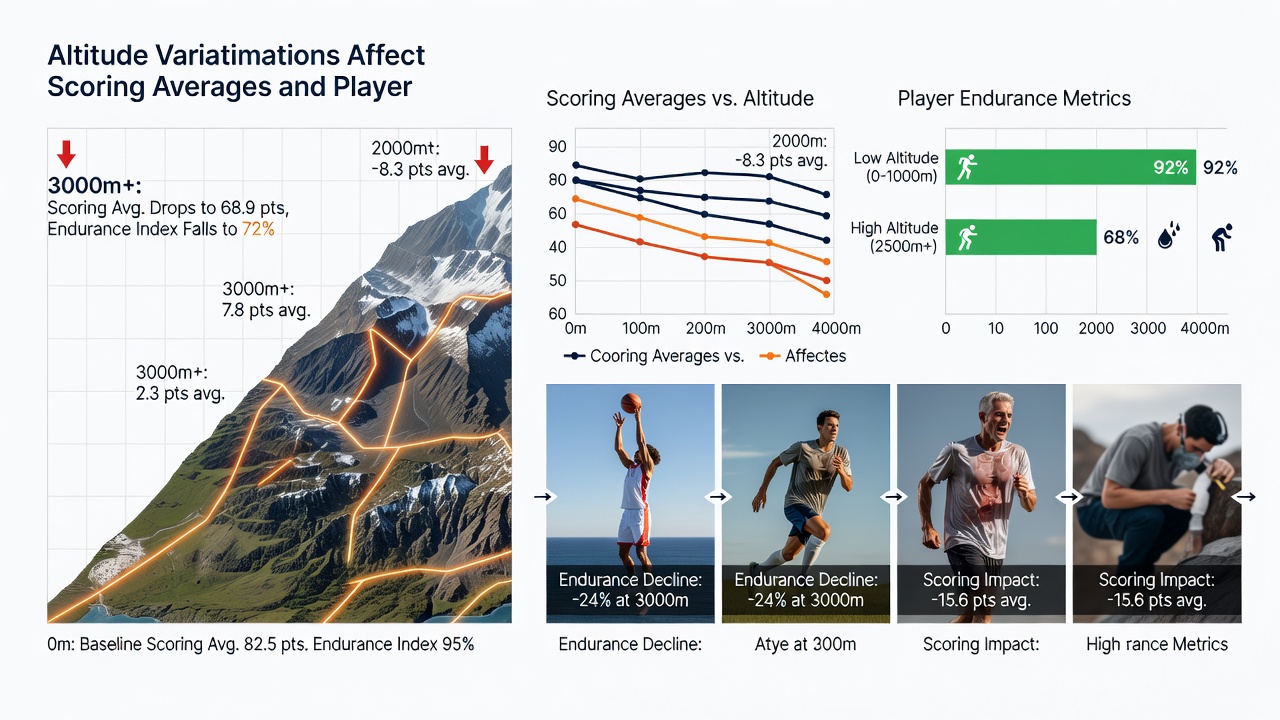
Preparations for several international tournaments scheduled in August 2026 have prompted national federations to conduct altitude simulation camps, and preliminary reports indicate that teams following structured acclimatization programs maintain higher work rates in the second half of matches. South American qualifiers for major soccer events have long provided statistical contrasts between coastal and highland venues, while North American baseball analytics departments routinely adjust park factors when forecasting player output at Coors Field. Multi-sport gatherings such as the Pan American Games have also recorded endurance-related performance gaps that correlate with venue elevation rather than solely with competition level.
Training and Mitigation Strategies
Coaches increasingly incorporate hypoxic tents and altitude chambers during preseason blocks, and organizations such as the Australian Institute of Sport have published guidelines that combine live-high train-low protocols with monitored blood markers to accelerate adaptation. Medical staff track hydration and iron levels more closely at elevation because dehydration accelerates faster and iron supports red-cell production, while nutrition plans emphasize carbohydrate timing to sustain glycogen stores under increased respiratory demand. Equipment adjustments, including lighter balls in certain leagues, have been tested to offset trajectory changes, although governing bodies continue to evaluate consistency across different altitude bands.
Conclusion
Comprehensive datasets compiled from professional leagues and Olympic cycles confirm that altitude produces sport-specific effects on scoring averages and endurance capacity, and ongoing monitoring through 2026 events will supply additional longitudinal evidence. Federations and researchers continue to refine preparation models that balance competitive equity with athlete welfare across the world's high-elevation venues.